A Complete Guide for NRIs Investing in Indian Real Estate
August 25, 2025
Introduction
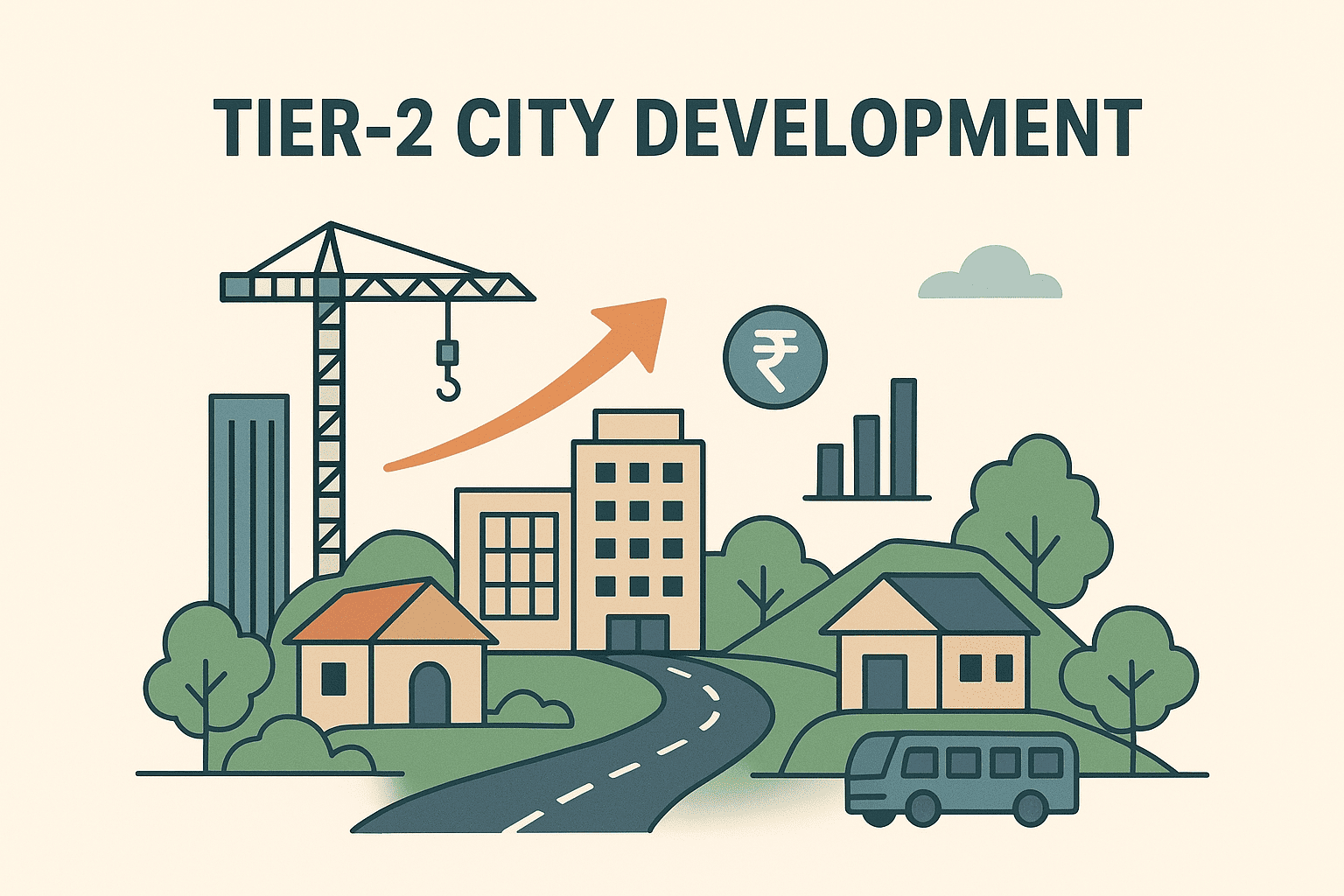
The Indian real estate market has been on a steady growth trajectory, making it one of the most attractive investment destinations for NRIs. For many, buying property in India isn’t just about financial returns — it’s about strengthening roots and creating a legacy back home.
Why NRIs Should Invest in Indian Real Estate
- Appreciation Potential: Indian real estate continues to witness value appreciation, boosting both rental income and resale value.
- Tax-Saving Opportunities: NRIs can claim deductions on home loan interest and exemptions on capital gains under certain conditions.
- Portfolio Diversification: Property as a tangible asset stabilizes your investment portfolio.
- Simplified Process: Regulatory relaxations allow NRIs to buy multiple residential and commercial properties without RBI approval.
- High Rental Yields: Growing urban demand ensures steady income from rental assets.
Types of Properties NRIs Can Buy
- Residential: Flats, villas, and houses for personal or rental use (no restriction on units).
- Commercial: Shops, office spaces, warehouses.
- Non-Agricultural Land: For building residential homes or villas.
Restrictions: NRIs cannot purchase agricultural land, farmhouses, or plantations unless inherited or with RBI approval.
Ownership & Power of Attorney
Existing property can be retained even after becoming an NRI. Purchases can be managed through a Power of Attorney (POA) assigned to a trusted representative, ensuring smooth documentation and registration.
Financing Your Purchase: Home Loans for NRIs
- Loans available through Indian banks/financial institutions.
- All transactions must be in INR.
- Payments must be routed via NRE/NRO accounts.
- A down payment is mandatory, similar to residents.
Legal Requirements for NRIs Buying Property
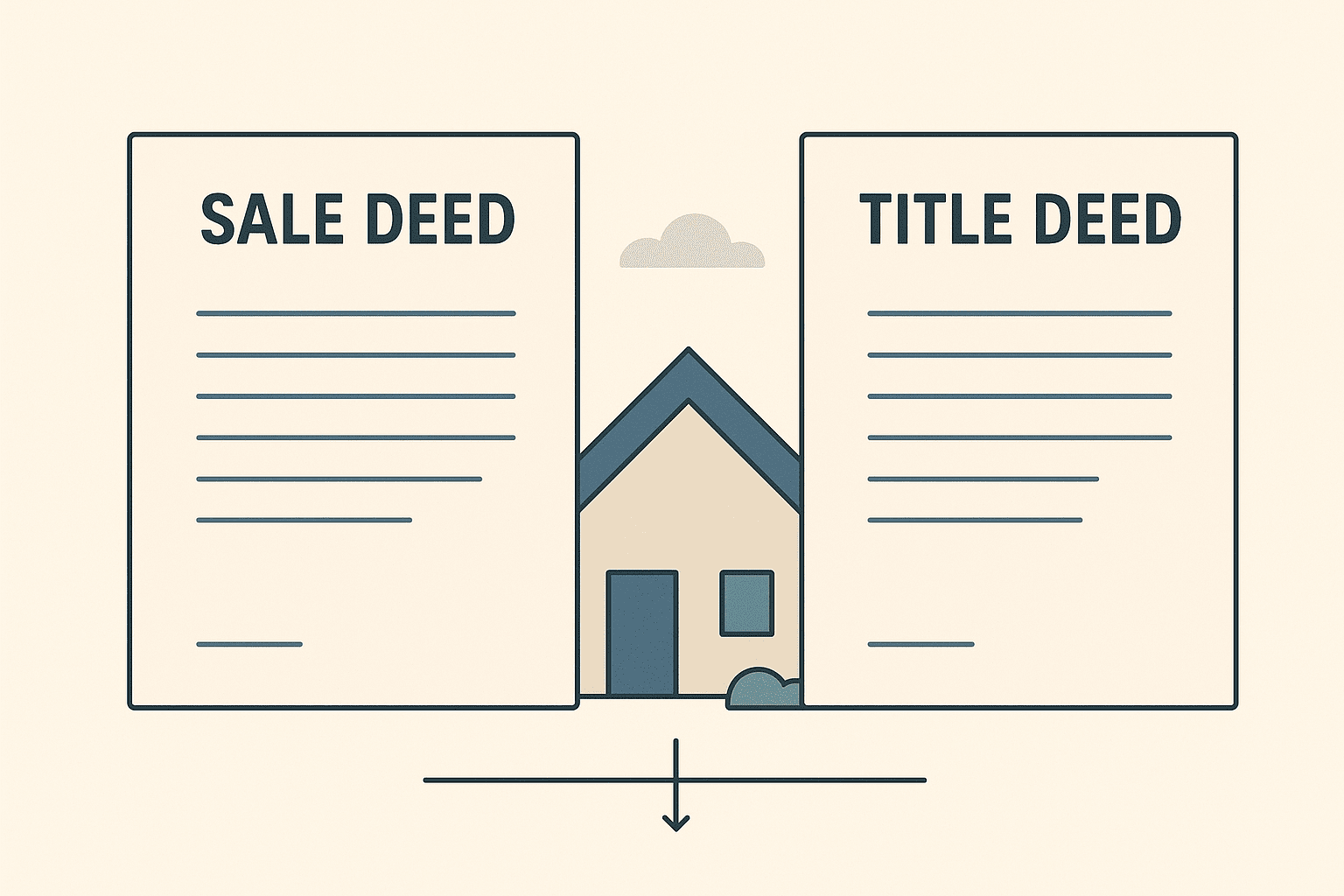
- Sale Agreement: Defines payment schedules, possession, and sale terms.
- Property Registration: Mandatory at the local sub-registrar’s office to complete transfer of ownership.
Tax Implications for NRIs
- Stamp Duty: 5% to 10% depending on the state.
- Registration Charges: 1% to 4% of property value.
- GST: Around 18% on under-construction properties.
- Rental Income: Taxable as per income slab in India, with 30% standard deduction and municipal tax benefits.
Final Thoughts
For NRIs, Indian real estate offers both emotional satisfaction and financial security. With simplified processes, tax benefits, and rising demand, investing in property in India can be one of the most rewarding decisions you make. Whether it’s a retirement home, rental income, or portfolio diversification, now is a great time to explore opportunities.
At Zenvista, we provide expert assistance to NRIs with end-to-end real estate services, including home loan guidance, documentation, and property management.